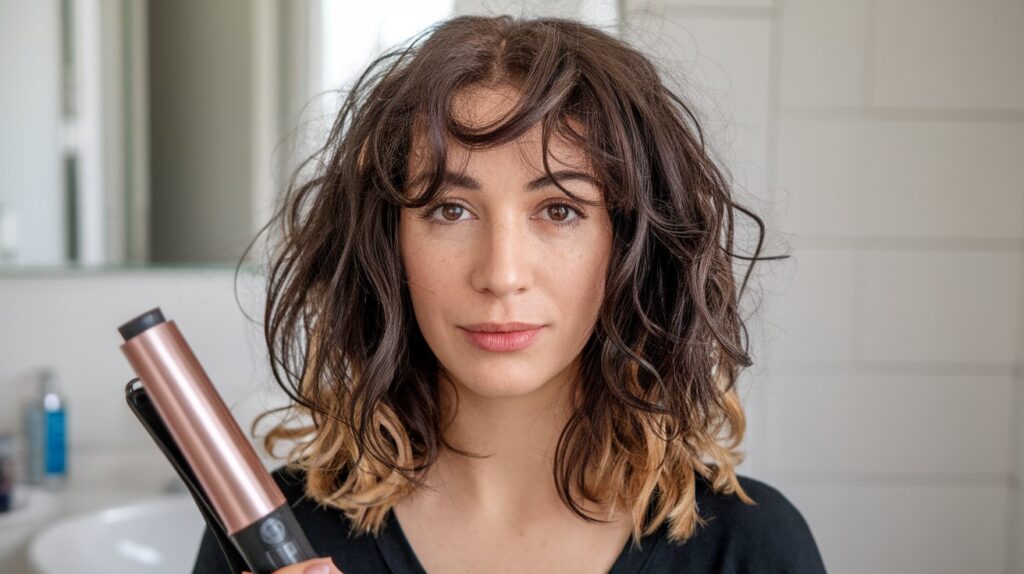
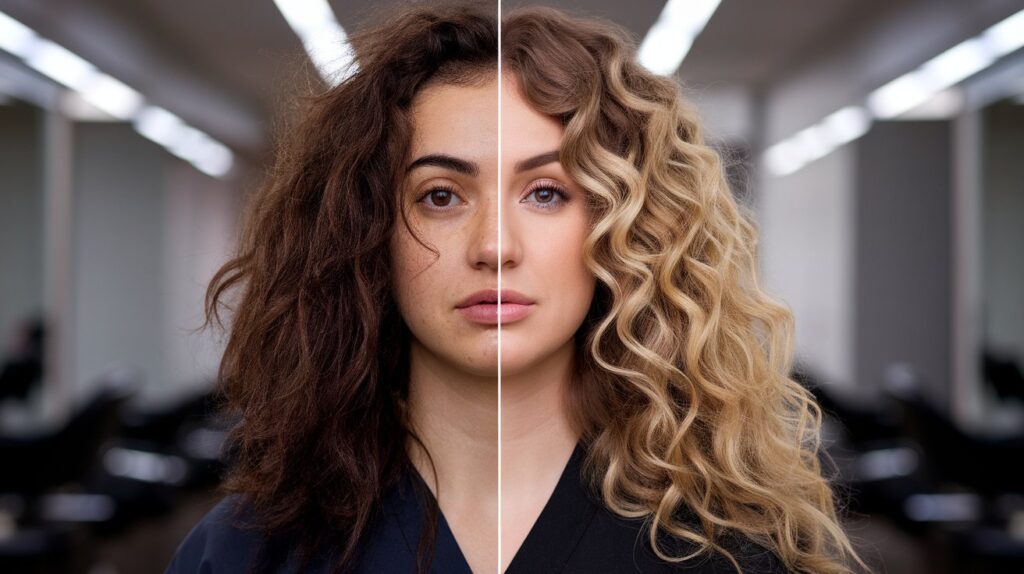
Do you find yourself staring in the mirror, frustrated by frizzy, unruly curls that seem to have a mind of their own? You’re not alone. With curly hair, natural oils produced at the scalp barely reach the bottom of your strands. Thus, curly hair is drier and requires extra care. But here’s the truth: with the right knowledge and techniques, your curls can become your crowning glory.
This comprehensive guide will transform how you approach curly hair care, providing you with professional-level techniques, scientifically-backed advice, and practical solutions for every curl concern. Whether you have loose waves or tight coils, we’ll help you achieve the healthy, defined curls you’ve always wanted.
Understanding Your Curl Type: The Foundation of Great Curly Hair Care
Before diving into care routines, understanding your specific curl pattern is crucial. The curl classification system ranges from Type 2 (wavy) to Type 4 (coily), with subcategories A, B, and C indicating increasing curl tightness.
The Complete Curl Classification System
Type 2 – Wavy Hair
2A: Loose, barely-there waves that are easy to straighten
2B: More defined waves with some frizz, moderate volume
2C: Strong waves with defined S-patterns and some spirals
Type 3 – Curly Hair
3A: Large, loose curls with a circumference similar to sidewalk chalk
3B: Springy ringlets with a circumference similar to a Sharpie marker
3C: Tight corkscrew curls with a circumference similar to a pencil
Type 4 – Coily/Kinky Hair
4A: Soft coils with visible curl pattern
4B: Z-pattern coils with less defined curl pattern
4C: Tight coils with minimal visible curl pattern
The Science Behind Curly Hair: Why Your Curls Need Special Care
Understanding the science behind curly hair explains why traditional hair care methods often fail curls. Curly hair is drier than other hair types due to its unique structure.
The elliptical shape of curly hair follicles creates bends and twists in the hair shaft. These curves make it difficult for sebum (natural oils) to travel from the scalp down the entire length of the hair. Additionally, the raised cuticles along the curved sections of curly hair allow moisture to escape more easily, leading to the chronic dryness that plagues most people with curls.
The Revolutionary Curly Hair Wash Routine
Step 1: Pre-Shampoo Treatment (The Game-Changer)
Pre-shampoo treatment is a bliss to those with curly hair. It helps in detangling and removing the frizz from your hair. This step is often overlooked but is crucial for protecting your curls during the cleansing process.
Avocado Mask: Mash a ripe avocado with a tablespoon of honey and two tablespoons of olive oil
Simple Oil Treatment: Use lightweight oils like jojoba or argan oil
Apply your chosen treatment from mid-length to ends, avoiding the scalp. Cover with a shower cap and leave for 20-30 minutes before shampooing.
Step 2: Gentle Cleansing Without Damage
Most shampoos contain foaming agents called sulphates. These are harsh chemicals that strip your hair of its natural oils, leaving it dry, dull and more likely to frizz. The solution isn’t to avoid cleansing altogether but to choose the right products and techniques.
The Perfect Cleansing Method:
Dilute your sulfate-free shampoo with water before applying
Focus on massaging the scalp, not the hair lengths
If your hair is long or thick, wash it in sections to reduce damage or tangling
Use lukewarm water to prevent stripping natural oils
Step 3: Deep Conditioning for Maximum Moisture
Apply a thick conditioner after washing your hair. Then, apply oil or leave-in conditioner after you have finished washing and conditioning your hair to assist with moisturization.
Advanced Conditioning Techniques:
Squish to Condish: Apply conditioner, then “squish” your curls upward to encourage curl formation
Bowl Method: Dip sections of hair into a bowl of diluted conditioner for maximum saturation
Steam Treatment: Use a hair steamer or sit in a steamy bathroom for deeper penetration
Step 4: The LOC/LCO Method
Layer products in this order for optimal moisture retention:
LOC Method: Liquid (leave-in conditioner), Oil, Cream
LCO Method: Liquid, Cream, Oil
Experiment to find which method works best for your curl type and porosity level.
How you dry your curls determines whether you’ll have a great hair day or spend hours trying to tame frizz. Your usual terry cloth bathroom towel is too rough to use on your fragile curls. Rubbing them dry can weaken the cuticles and break the hair fibre, leading to frizz, split ends and breakage.
Professional Drying Methods:
Plopping: Wrap curls in a cotton t-shirt or microfiber towel to absorb excess water without disturbing curl formation
Diffusing: Use a diffuser attachment on low heat and speed, cupping curls gently
Air Drying with Clips: If you find the top of your hair tends to dry a bit flat, slide clips in at the roots to give volume
Advanced Styling Techniques by Curl Type
For Fine Waves (2A-2B):
Use lightweight mousses and avoid heavy creams
Apply products to damp (not soaking) hair
Focus on root lift with volumizing techniques
For Thick Waves to Loose Curls (2C-3A):
Layer lightweight leave-in, cream, and gel
Use the “praying hands” method to smooth products through
Scrunch excess water out with microfiber towel
For Defined Curls (3B-3C):
Apply products to soaking wet hair for maximum definition
Use finger coiling or denman brush for enhanced curl formation
Employ the “scrunch out the crunch” technique after hair is completely dry
For Coily Hair (4A-4C):
Focus on moisture above all else
Use the shingling method for definition
Protective styling is essential for length retention
The Secret to Second and Third-Day Curls
Most curly hair articles stop at wash day, but maintaining your curls between washes is equally important. Here’s how to refresh your curls without starting over:
The Perfect Refresh Spray Recipe:
1 cup distilled water
2 tablespoons leave-in conditioner
1 teaspoon gel or curl cream
Optional: 2-3 drops essential oil for fragrance
Application Technique:
Spray mixture onto hands, not directly on hair
Smooth over hair using praying hands motion
Scrunch gently to reactivate curls
Avoid touching until completely dry
Troubleshooting Common Curly Hair Problems
Problem: Frizzy, Undefined Curls
Likely Causes:
Products applied to hair that’s not wet enough
Using products with drying alcohols
Touching hair while it dries
Need for protein treatment
Solutions:
Ensure hair is soaking wet when applying styling products
Water is your best friend… applying our moisture-boosting products while your hair is still soaking wet
Check product ingredients for bad alcohols (avoid denatured alcohol)
Try a protein treatment if hair feels mushy when wet
Problem: Limp, Flat Curls
Likely Causes:
Product overload
Using products too heavy for your hair type
Need for clarifying
Damaged hair
Solutions:
Use a clarifying shampoo monthly
Switch to lighter-weight products
Get regular trims to remove damaged ends
Add root clips while drying for volume
Problem: Dry, Brittle Hair
Likely Causes:
Over-washing
Lack of deep conditioning
Environmental damage
Need for moisture treatments
Solutions:
Washing curly hair too often can leave it dry, frizzy, and hard to manage. Thick, curly hair doesn’t need to be washed daily or even weekly
Increase deep conditioning frequency
Use heat protectants when styling
Try overnight oil treatments
Seasonal Curly Hair Care Adjustments
Your curls have different needs throughout the year. Understanding how to adjust your routine seasonally can prevent many common curl problems.
Summer Curl Care
Increase moisture to combat humidity
Use anti-humidity products
Protect from UV damage with leave-in treatments containing SPF
Consider protective styles for beach/pool days
Winter Curl Care
Switch to heavier moisturizers
Use a humidifier to add moisture to dry indoor air
Heat and the sun’s harmful ultraviolet rays can dry out curly hair. To protect your curls, cover up with a wide-brimmed hat and keep your hair moisturized
Avoid over-washing in dry conditions
The Best Ingredients for Curly Hair (And What to Avoid)
Curl-Friendly Ingredients to Look For:
Glycerin: Attracts moisture from the environment
Shea Butter: Provides deep moisturization without weighing hair down
Coconut Oil: Penetrates hair shaft for internal moisture
Argan Oil: Adds shine and reduces frizz
Aloe Vera: Soothes scalp and provides lightweight moisture
Fatty Alcohols (Cetyl, Stearyl): Moisturizing and smoothing
Heavy Silicones: Can build up and prevent moisture penetration
Parabens: May cause irritation in sensitive individuals
Building Your Curly Hair Product Arsenal on Any Budget
Essential Products (Budget-Friendly Options):
Sulfate-Free Shampoo: Look for drugstore brands like L’Oreal EverCurl
Deep Conditioner: DIY with coconut oil, honey, and your regular conditioner
Leave-In Conditioner: Dilute regular conditioner with water
Gel: LA Looks Sport Gel (curl community favorite)
Oil: 100% coconut oil from grocery store
Premium Product Upgrades:
Professional curl-specific brands like DevaCurl, Ouidad, or Moroccanoil
Specialized treatments for your specific curl needs
Silk pillowcases and microfiber towels
Sleep Strategies for Curly Hair
We’ve all been there. You wash your hair thoroughly, style it with all the right products, let it dry naturally in beautiful defined curls and head to bed… Only to wake up the next morning to find kinks in all the wrong places.
The Complete Nighttime Routine:
The Pineapple Method: Pull your hair into a loose ponytail on top of your head (resembling a pineapple) or a loose braid before sleeping to preserve your curls
Silk or Satin Protection: Use silk pillowcases, scarves, or bonnets to reduce friction
Medusa Clipping: For longer hair, use small clips to lift sections away from your face
The Buff Method: Use a tube scarf to protect curls while allowing them to move freely
Professional vs. At-Home Curly Hair Treatments
When to See a Professional:
First time embracing your natural texture
Severe damage from chemical treatments
Significant color changes
Curl pattern changes due to hormones or medications
DIY Treatments That Actually Work:
Weekly Protein Treatment (for damaged hair):
1 egg white
1 tablespoon honey
1 tablespoon coconut oil
Apply for 20 minutes, rinse with cool water
Monthly Clarifying Treatment:
1 tablespoon apple cider vinegar
1 cup water
Use as final rinse after shampooing
Advanced Curl Enhancement Techniques
The Denman Brush Method:
Perfect for curl types 3A-4C who want more definition:
Apply leave-in conditioner to wet hair
Take small sections and brush through with Denman brush
Twist the brush at the end to encourage curl formation
Allow to air dry or diffuse
Finger Coiling:
Ideal for types 3C-4C:
Apply styling cream to wet hair
Take pencil-thin sections
Wrap hair around your finger from root to tip
Release gently and repeat throughout head
The Bowl Method:
For maximum curl saturation:
Fill bowl with diluted leave-in conditioner
Dip sections of hair into bowl
Scrunch excess water out
Apply gel and proceed with styling
Curl Maintenance Throughout Life Stages
Hormonal Changes and Your Curls:
Puberty: May see increased oiliness or texture changes
Pregnancy: Often results in temporary curl pattern changes
Menopause: May experience dryness and texture alterations
Postpartum: Common to see temporary curl loss or pattern changes
Adjust your routine by increasing moisture during hormonal fluctuations and being patient with temporary changes.
Common Curly Hair Mistakes (And How to Fix Them)
Mistake #1: Brushing Dry Curls
Never ever brush your wet hair as it is more prone to breakage and damage. Avoid brushing your hair while it is dry to prevent your hair from breaking and frizzing.
Fix: Only detangle when hair is wet and fully conditioned, using fingers or wide-tooth comb.
Mistake #2: Using Too Much Product
Fix: Start with less product than you think you need. You can always add more.
Mistake #3: Applying Products to Partially Dry Hair
Fix: Hair should be soaking wet when applying styling products for optimal curl formation.
Mistake #4: Touching Curls While Drying
Once you’ve washed and styled your curls, it’s best to leave them alone until they’re completely dry. Touching curly hair in the drying phase will only cause it to frizz, so hands off!
Fix: Practice the “hands-off” approach until hair is 100% dry.
The Future of Curly Hair Care: Emerging Trends and Technologies
The curly hair care industry continues to evolve with new understanding of curl science:
Personalized formulations based on curl pattern and porosity
Microbiome-friendly products that support scalp health
Caring for curly hair isn’t just about finding the right products—it’s about understanding your unique curl pattern, embracing a gentle approach, and having patience with the process. Remember that great curls are built on consistency, not perfection.
Start with the basics: sulfate-free cleansing, deep conditioning, and gentle styling techniques. As you become more comfortable with your routine, you can experiment with advanced methods and specialized products.
Your curly hair journey is unique to you. What works for others may need adjustment for your specific needs. Be patient with yourself, celebrate small victories, and remember that every curl day is an opportunity to learn something new about your hair.
The most important takeaway? Your curls are not something to tame or fix—they’re something to nourish, enhance, and celebrate. With the right knowledge and techniques, you can transform your relationship with your curls from frustration to pure joy.
Ready to start your curl transformation? Begin with our personalized routine builder above, and remember: the best curly hair routine is the one you’ll actually stick to. Start simple, be consistent, and watch your curls flourish.
Transform your thick, coarse hair from unruly to enviable with this comprehensive, expert-backed guide that covers everything from daily care routines to professional styling techniques.
Find out the latest research-backed methods to stop nail biting permanently. From breakthrough habit replacement techniques to proven strategies, this comprehensive guide provides everything you need to break the nail biting habit for good
Have you ever fallen in love with a specific color combination but couldn’t find the perfect nail polish to match? Or perhaps you’ve wanted to create a signature shade that’s uniquely yours? Making your own nail polish colors by mixing is not only possible but surprisingly simple and rewarding. While you’re looking to match a…
Creating a work wardrobe that makes you feel confident, professional, and authentically you doesn’t have to be overwhelming or expensive. While you’re starting your first job, transitioning careers, or simply want to refresh your professional image, this comprehensive guide will walk you through every step of building a wardrobe that works for your lifestyle, budget,…