25 Winter Blonde Hair Color Ideas
Blonde changes when the light does. The bright shade that looked fresh in August can turn flat or brassy under gray skies and indoor lighting, so many colorists add a deeper root, a little warmth or softer tones once winter sets in.
Answer two quick questions below to see the winter blondes that suit your starting color and skin. Then browse all 25, each with a photo, an upkeep note and the words to use at your appointment.
Match Your Winter Blonde
1. What color is your hair now?
2. What is your skin undertone?
Not sure? If gold jewelry flatters you more, you're probably warm. If silver does, you're probably cool. If both look good, pick neutral.
Dark brown or black hair, warm undertone
Warm blondes on dark hair look natural and grow out softly. Go gradually to protect your hair.
Dark brown or black hair, cool undertone
Keep the blonde beige or smoky so it doesn't turn orange as it lifts.
Dark brown or black hair, neutral undertone
Blended pieces around your face give the most change for the least bleach.
Light brown hair, warm undertone
Light brown hair lifts easily to golden and spiced shades.
Light brown hair, cool undertone
Soft, beige blondes keep light brown hair from looking brassy.
Light brown hair, neutral undertone
You can go a little warm or a little cool. Toasted shades are a safe middle.
Already blonde hair, warm undertone
Add depth for winter rather than lightening further.
Already blonde hair, cool undertone
Keep it bright but soften the root so grow-out isn't harsh.
Already blonde hair, neutral undertone
A gloss or a few lowlights may be all your blonde needs this season.
1. Shadow Root Blonde
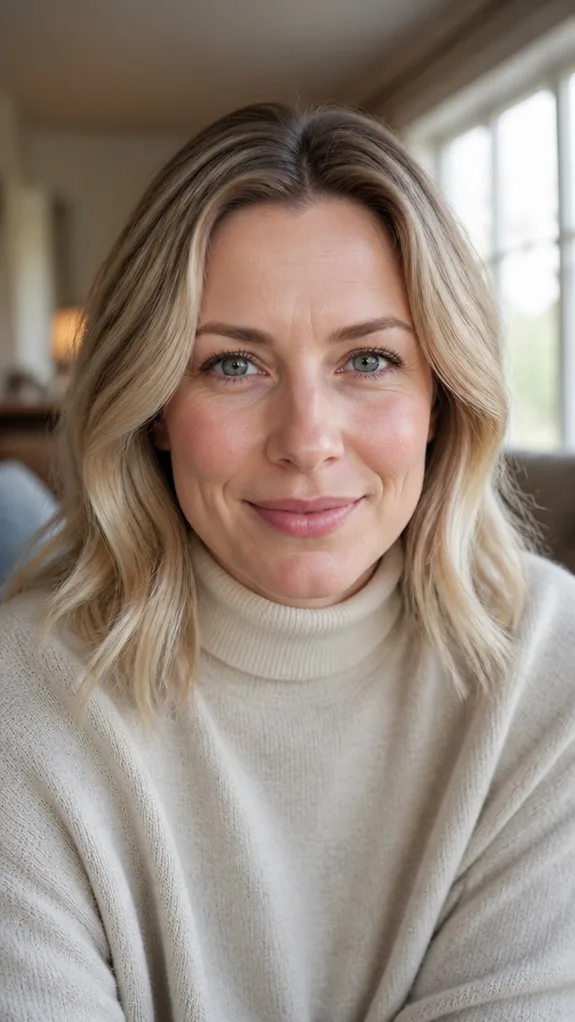
A shadow root keeps your blonde but adds a slightly deeper shade at the root, blended down an inch or two. It looks softer against winter skin and hides regrowth.
This is the easiest way to make blonde lower maintenance. Ask for a “shadow root” or “root smudge” one or two shades darker than your blonde, blended with no hard line. Many people stretch appointments to three months or more.
2. Toasted Coconut Blonde
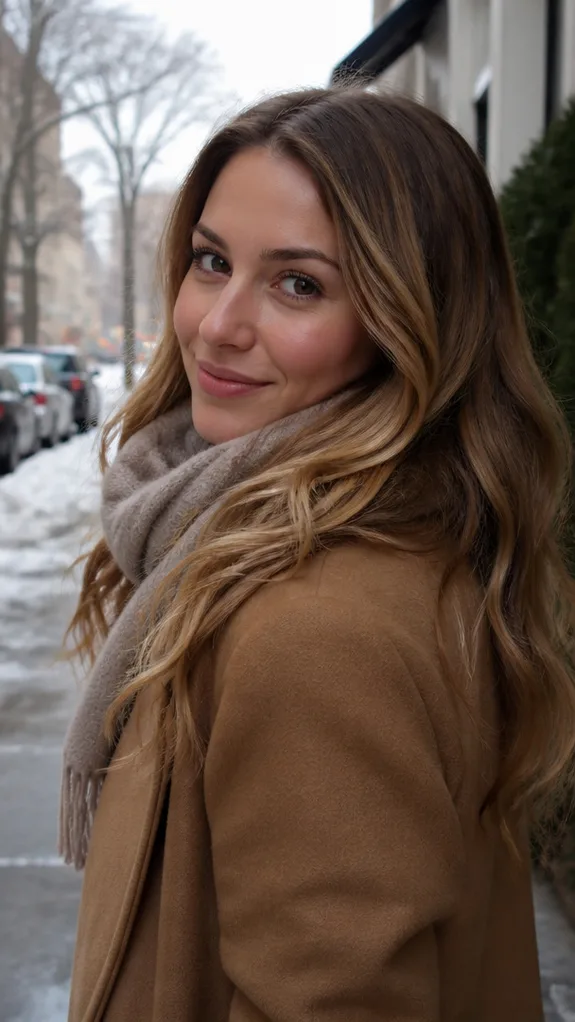
Toasted coconut blonde mixes light brown with golden-beige pieces, like the browned edges of a toasted flake. It looks warm without going orange.
It suits light brown and dark blonde hair and grows out gently. Your colorist can get there with a mix of babylights and slightly chunkier pieces in a golden-beige tone, kept off the root.
3. Latte Blonde

Latte blonde sits between brown and blonde, a creamy beige with a little brown underneath. It’s softer than a full blonde and very easy to wear in winter.
Cool and neutral skin tones look especially good with it. At the salon, describe it as beige highlights over a light brown base with a soft root. A purple or blue shampoo once a week keeps it beige instead of yellow.
4. Cinnamon Blonde
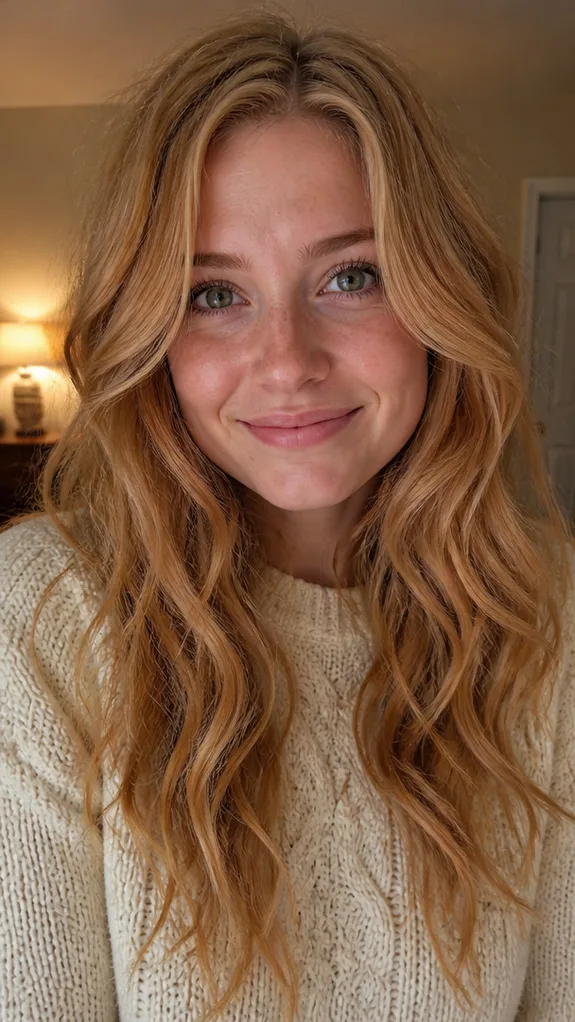
Cinnamon blonde adds a spiced copper note to golden blonde. Think of it as a darker, cozier cousin of strawberry blonde.
Warm skin tones light up next to it. Copper tones fade faster than beige ones, so plan a gloss every four to six weeks and wash in cool water.
5. Brown Sugar Blonde
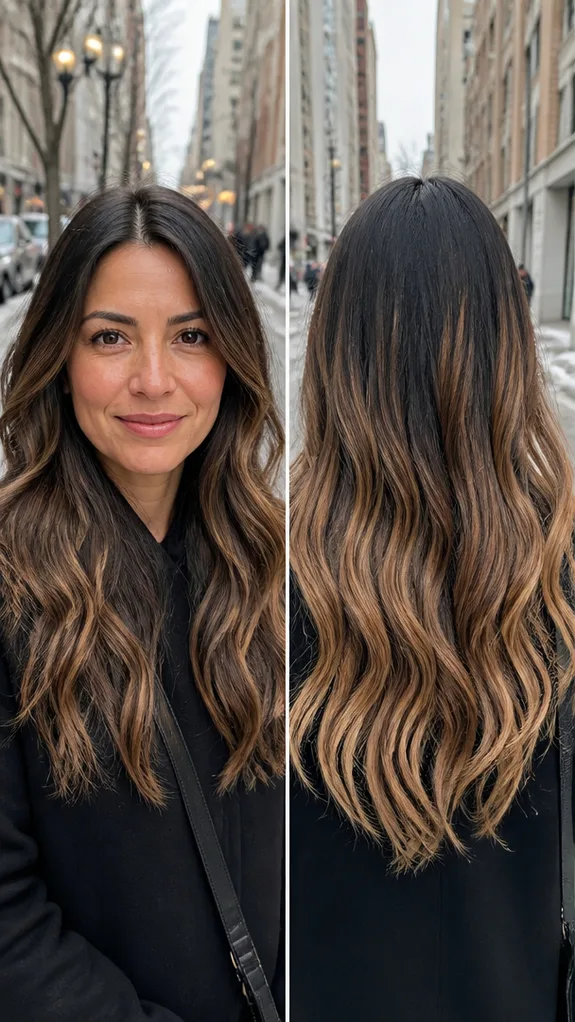
Brown sugar blonde blends caramel-brown and soft golden pieces through dark hair. You keep your base color and add warmth on top.
It’s one of the gentlest ways for brunettes to try blonde, since it needs less lightening. Request balayage in a brown sugar tone, starting a few inches below the root.
6. Gingerbread Blonde
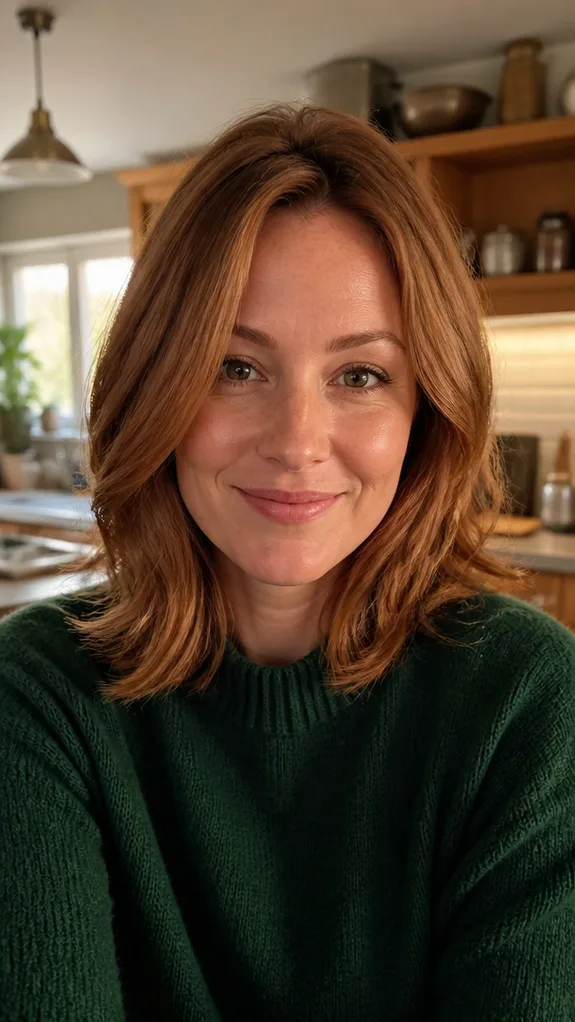
Picture a deeper copper-blonde with brown warmth, the shade of a well-baked cookie. It suits the season and looks rich in low light.
It flatters warm and neutral skin, and freckles look great with it. Copper fades, so use a color-safe shampoo and book a gloss when it starts to look washed out.
7. Butterscotch Blonde
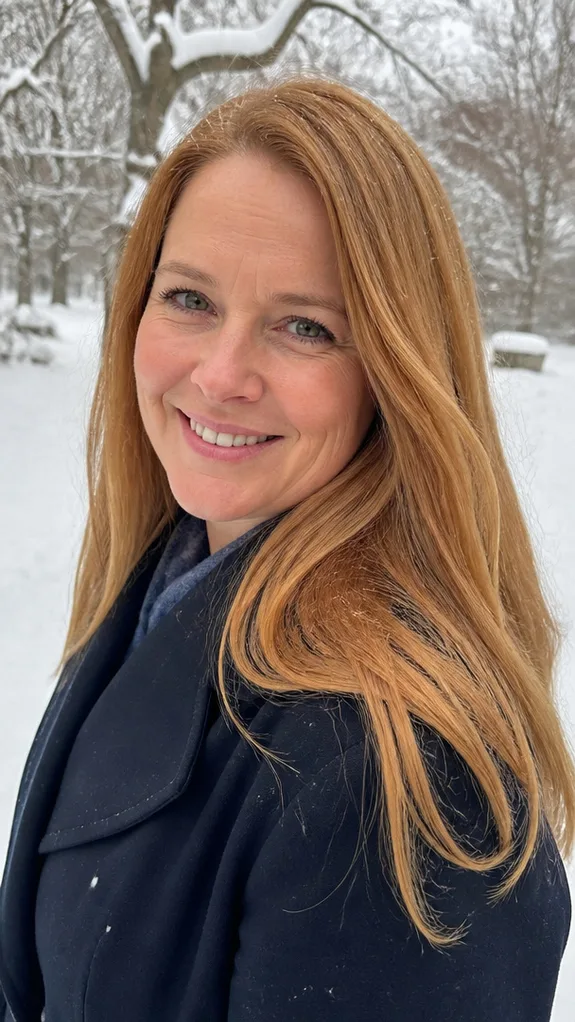
Butterscotch sits in deep, glossy gold territory, darker than honey and a touch warmer. It makes winter skin look less washed out.
A golden blonde finished with a warm gloss gets you there. It works as an all-over color on light brown hair or as highlights on medium brown.
8. Biscuit Blonde
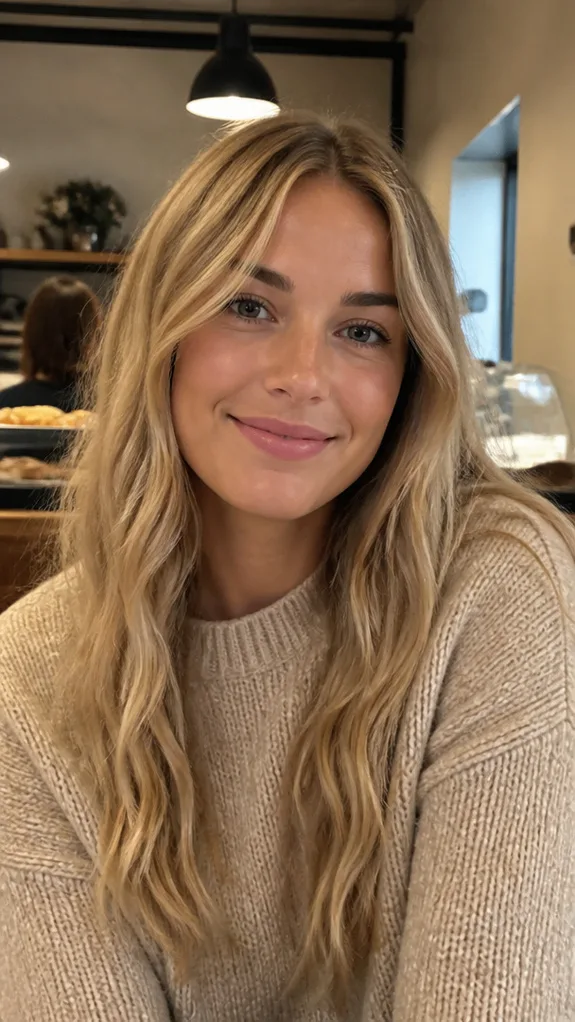
Biscuit blonde blends beige and gold with no strong warmth or coolness. It looks natural, like blonde that grew in that way.
Neutral skin tones suit it best. Fine beige-gold highlights plus a blending gloss will create it. It’s an easy shade to keep up at home with a gentle toning conditioner.
9. Cashmere Blonde
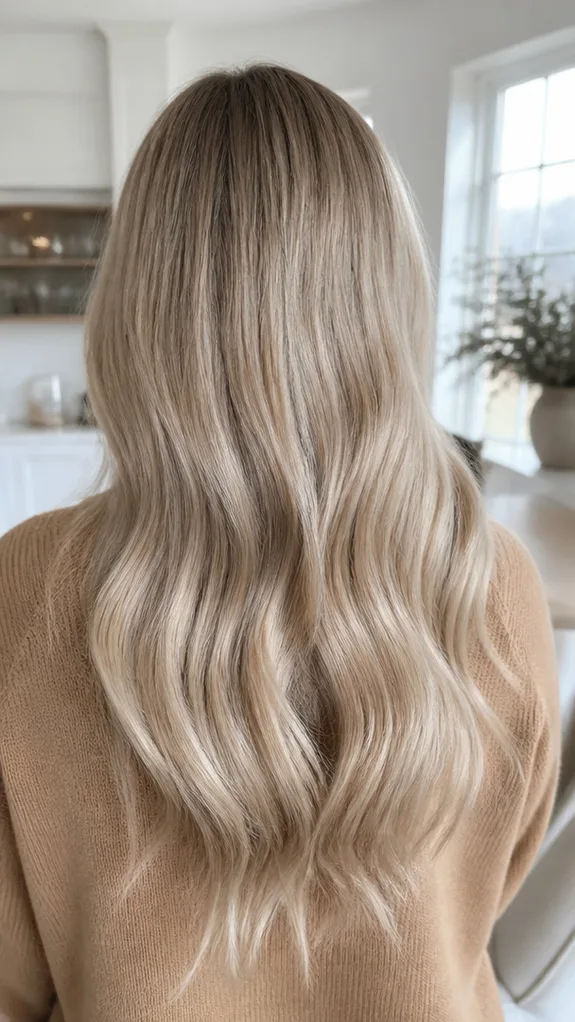
Cashmere blonde stays soft and muted, with no harsh brightness. Think of the color of a camel cashmere sweater, but lighter.
It suits cool and neutral skin. Tell your colorist you want a neutral-beige blonde with a soft root, finished with a gloss. Heat protectant helps it keep that soft shine.
10. Oat Milk Blonde
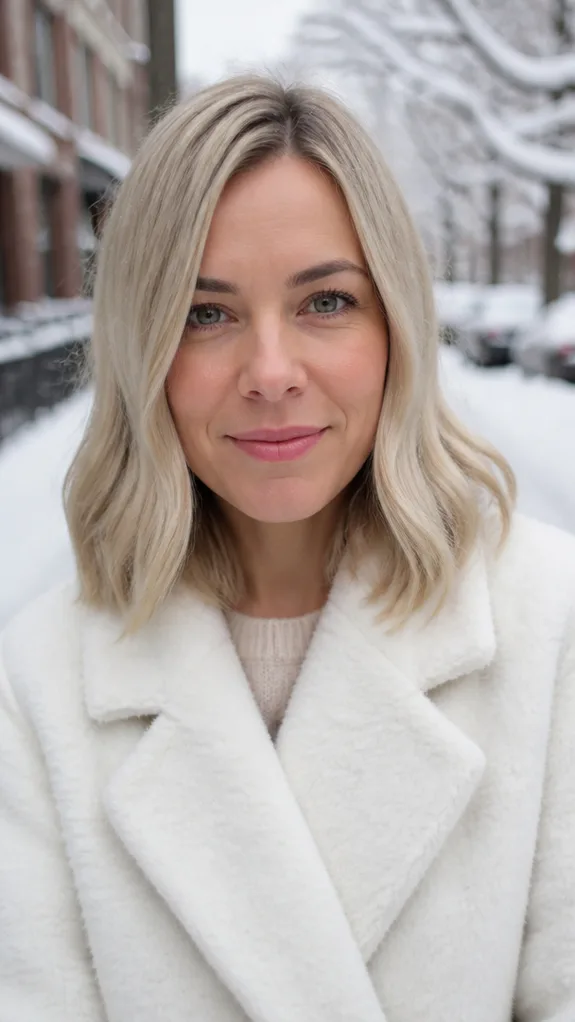
Oat milk blonde is pale and creamy, lighter than cashmere but warmer than icy shades. It looks bright without that stark white finish.
It needs light hair to start, so it’s best if you’re already blonde. A toner every six to eight weeks keeps it creamy. A soft root makes grow-out kinder.
11. Antique Gold Blonde

Antique gold is a muted, slightly darker gold, like an old ring rather than a new one. It looks warm but not brassy.
It’s lovely on light brown hair and warm or neutral skin. Mention a golden blonde with a touch of beige to soften it. Avoid purple shampoo, which can dull the gold.
12. Money Piece on Dark Hair
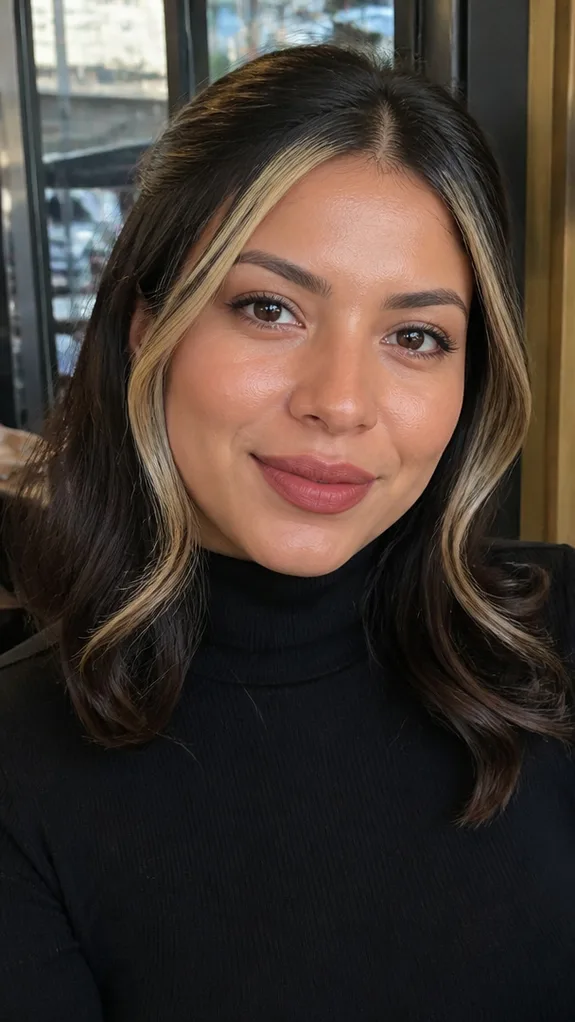
A money piece puts bright blonde only around your face. Your dark hair stays as it is, and the blonde lifts your whole face.
It’s the lowest-commitment way for brunettes to go blonde in winter. Ask for two face-framing sections lightened a few shades and toned to suit your skin. Touch-ups take less than an hour.
13. Blonde Babylights on Light Brown
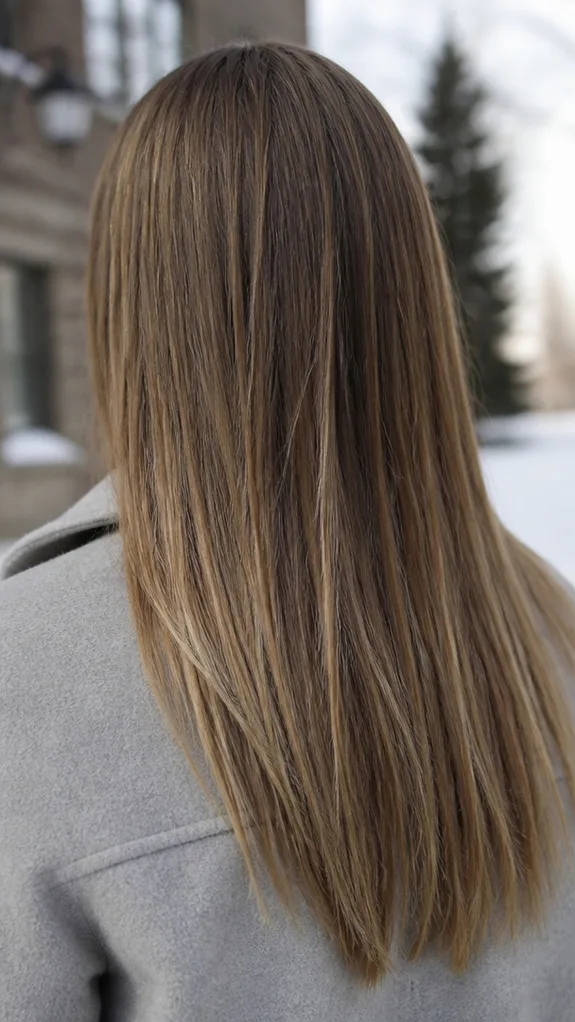
Babylights are very fine highlights woven close together. On light brown hair they add brightness that looks natural.
Because the pieces are so fine, the grow-out is soft. Choose beige or golden babylights depending on your skin, kept a shade or two lighter than your base.
14. Reverse Balayage
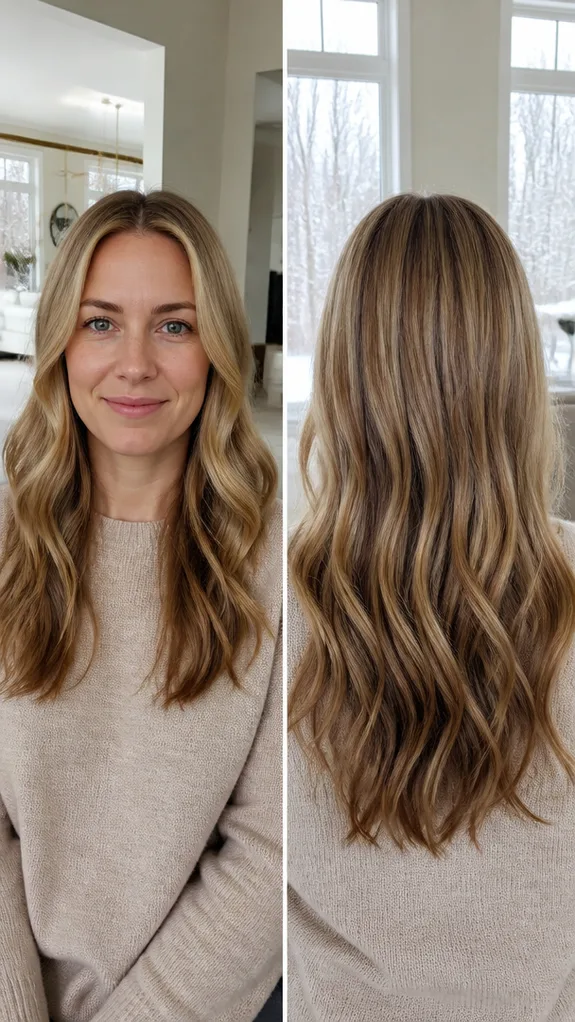
Reverse balayage paints darker tones back into blonde hair. It’s a common winter switch after a bright summer blonde.
Your hair still looks blonde, but with more depth and less upkeep. Your colorist adds lowlights two shades darker than your blonde, painted through the mid-lengths.
15. Lowlighted Winter Blonde

Lowlights are fine darker strands woven through blonde. They make the blonde look thicker and more dimensional.
If your summer blonde feels flat, lowlights fix it without bleach. Ask for lowlights one or two shades darker than your current blonde, woven finely so they don’t look stripy.
16. Gloss-Only Refresh
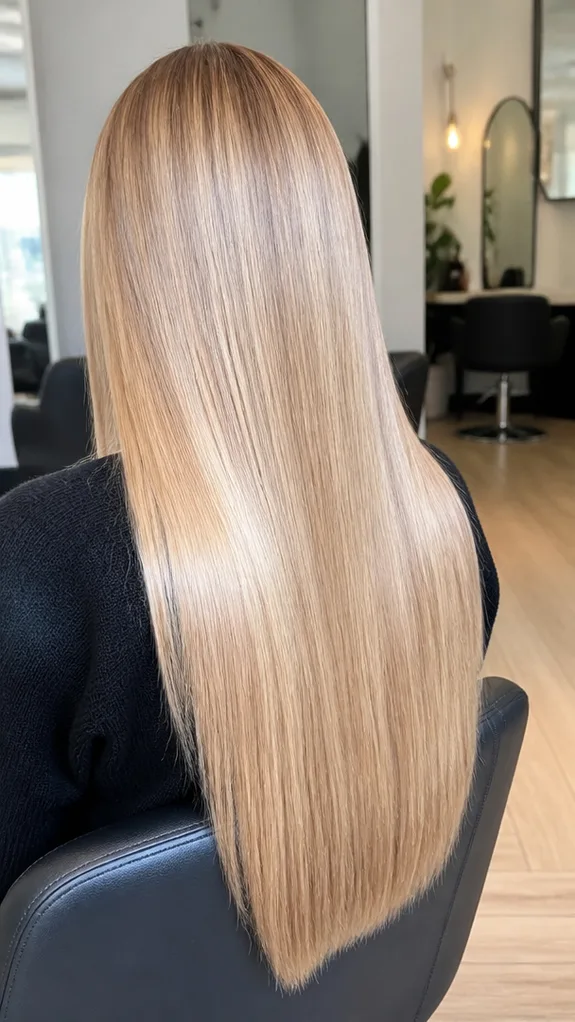
A gloss is a quick, deposit-only treatment that adds shine and adjusts tone. It doesn’t lighten, so it’s gentle on your hair.
If your blonde has turned brassy or dull, a gloss may be all you need until spring. Pick the tone you want the gloss to add: beige, golden or neutral. It usually lasts four to eight weeks.
17. Chunky Ribbon Highlights
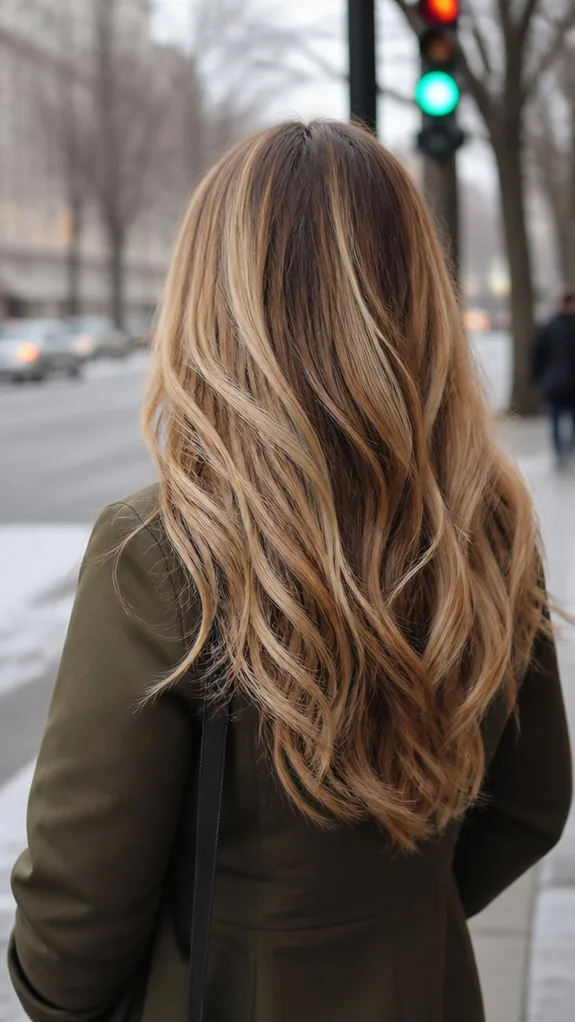
Ribbon highlights are thicker pieces of blonde, wider than classic highlights. They’re a softer take on the chunky highlights of the early 2000s.
They work best when the blonde and base are only a few shades apart. Request ribbon or chunky highlights blended at the root so they don’t look striped.
18. Face-Frame Only Blonde
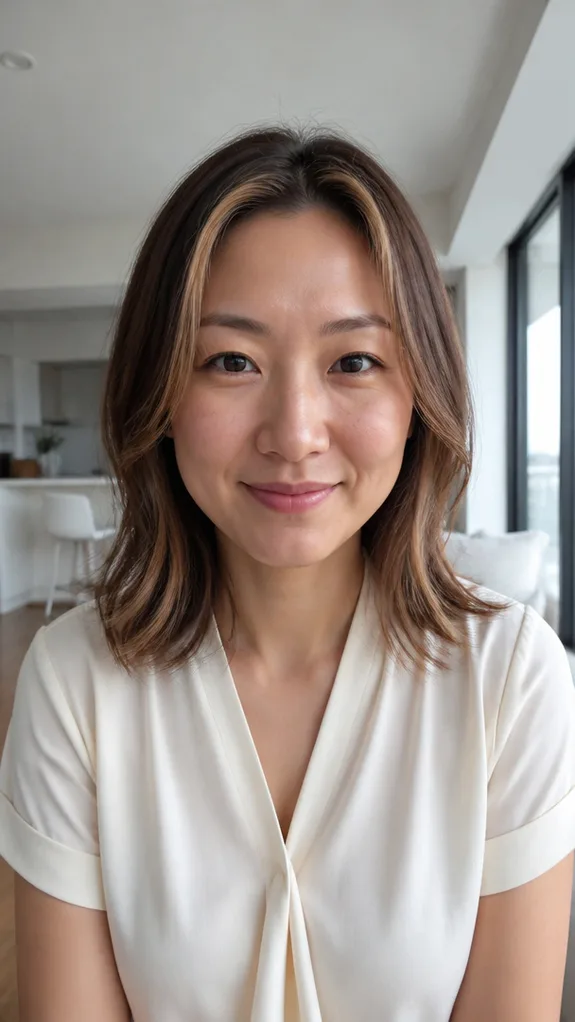
Face-frame blonde lightens the front pieces and a few strands at the hairline. It’s wider and softer than a money piece.
It brightens your face on dark winter days and leaves most of your hair untouched. Touch-ups are quick, so this is a good option if you’re short on time or budget.
19. Gray-Blending Blonde
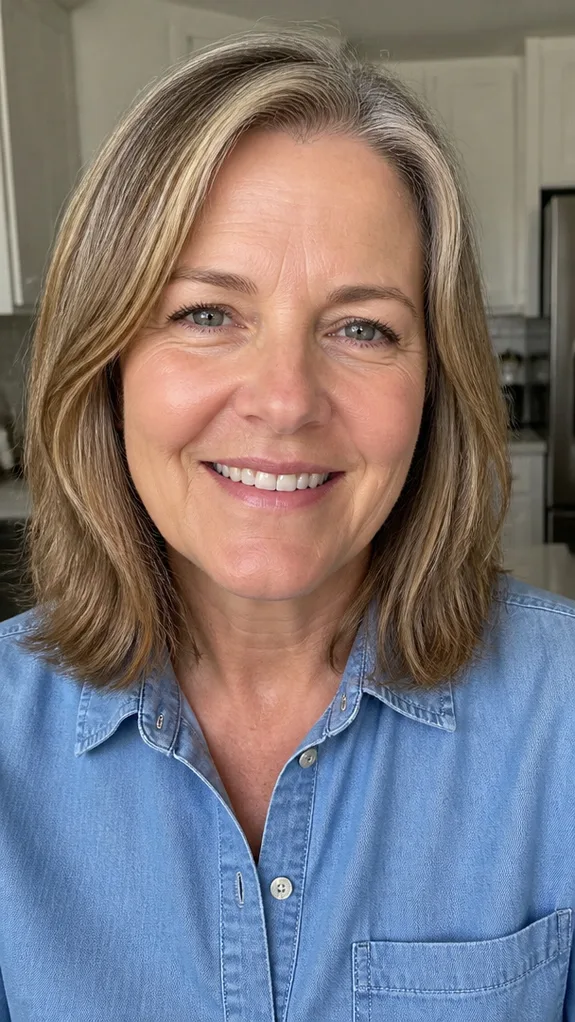
If you’re starting to see gray, blonde highlights can blend it so regrowth shows less. Gray strands sit among the blonde instead of standing out against dark hair.
The aim is fine highlights and lowlights mixed to blend with your gray, not full coverage. Touch-ups are usually less frequent than with all-over dark dye.
20. Espresso Root, Cream Ends
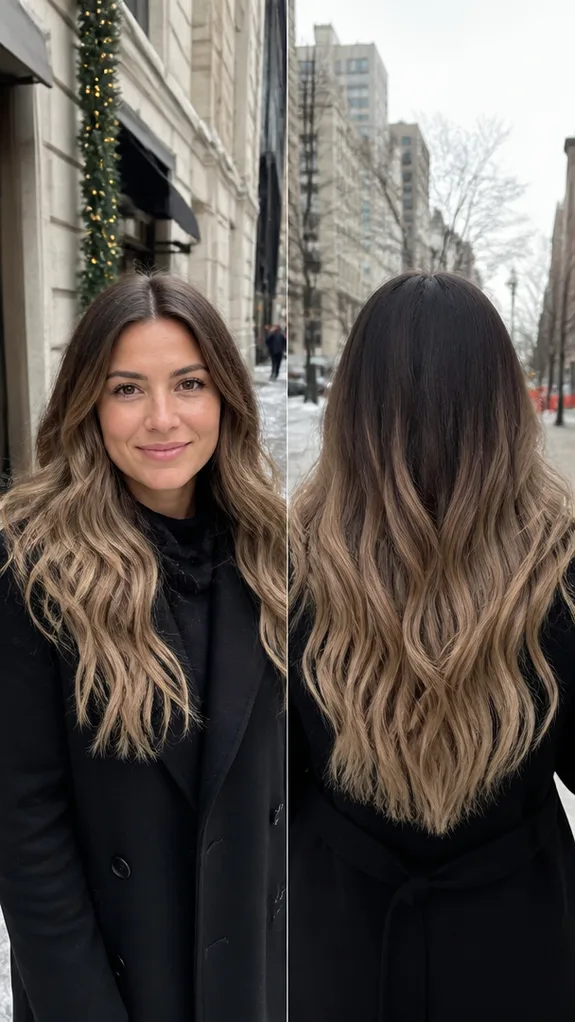
This look keeps a deep espresso root and melts it into creamy blonde ends. The contrast is dramatic but the grow-out is easy.
It suits dark hair and cool or neutral skin. Describe it as a root melt from your natural dark shade into a creamy beige blonde, starting around your cheekbones.
21. Dark Brunette to Blonde Balayage
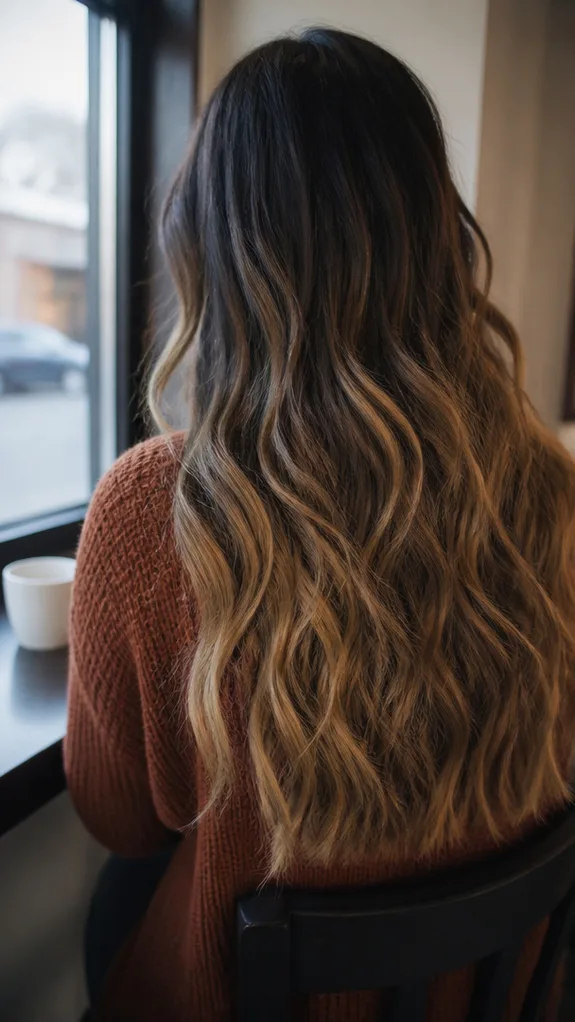
Balayage on dark brunette hair keeps the top dark and paints blonde through the lengths and ends. It looks rich in winter without a full change.
Plan for more than one session if you want a light blonde, since dark hair lifts slowly. A bond-building treatment during lightening helps protect it.
22. Golden Blonde on Curls
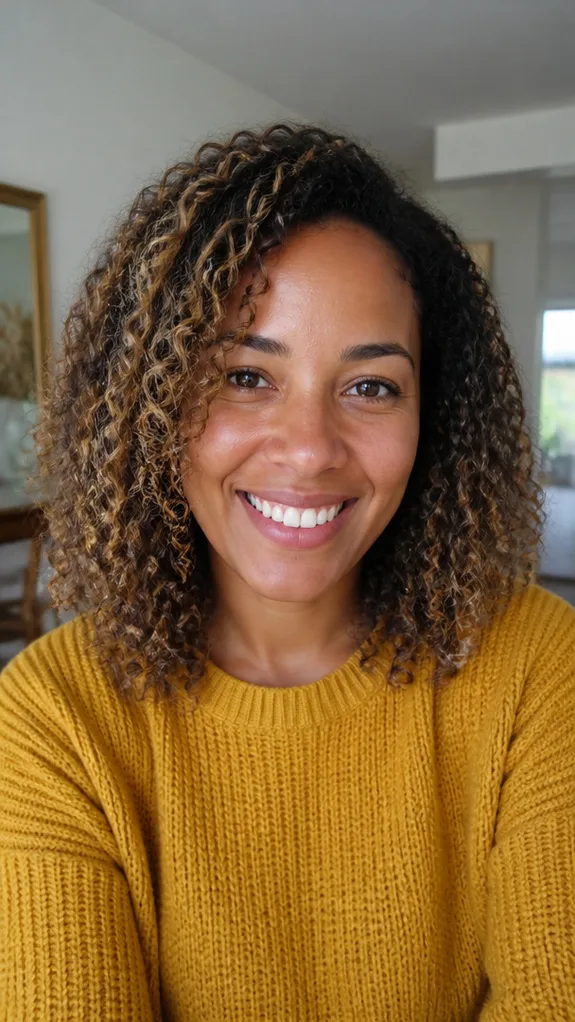
Blonde on curls looks best placed where the curls naturally fall. Golden tones make curl patterns stand out.
Look for a colorist who works with curly hair and can color it dry or in its natural shape. Deep condition weekly, because lightening can loosen curls.
23. Peekaboo Blonde
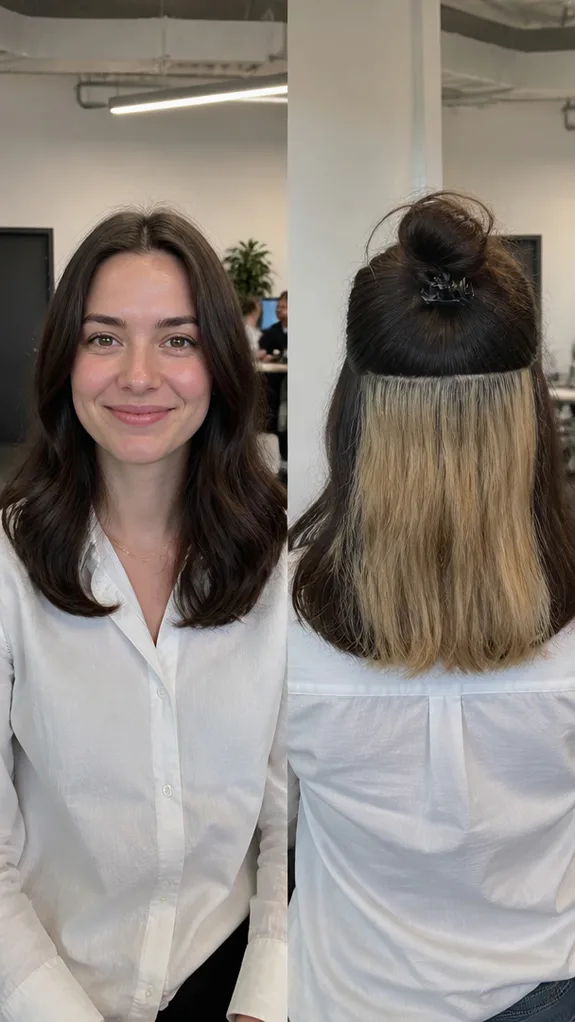
Peekaboo blonde hides a blonde layer underneath your top layer of hair. It shows when you tie your hair up or move.
It’s fun if you want blonde but need to look classic at work. Ask for an underneath section lightened from ear level down.
24. Golden Highlights on Black Hair
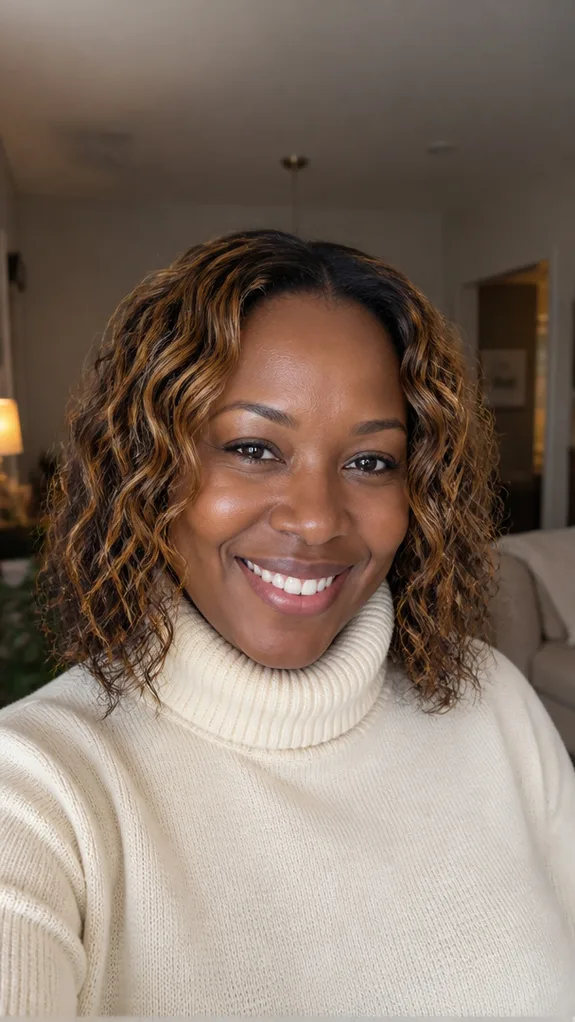
Golden highlights on black hair add warmth and shine without a full change. Honey-gold and caramel-gold tones look especially rich on deeper skin.
Black hair needs careful lightening, so go slowly and keep the highlights soft. Moisture is key afterwards: use a deep conditioner and protect from heat.
25. Lilac-Toned Blonde
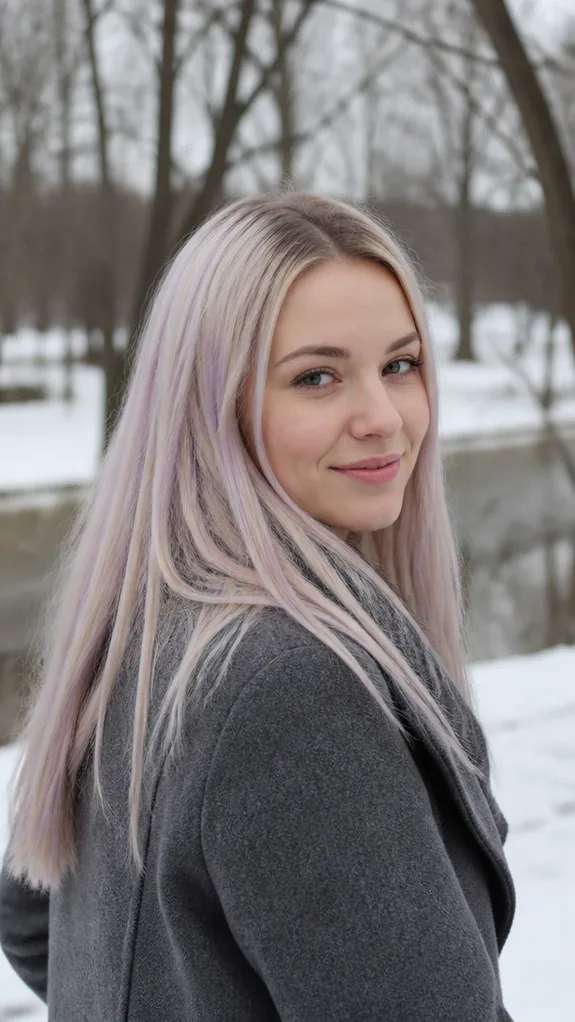
A soft lilac tone over pale blonde is a fun winter change. It looks pearly in cold light and fades back to blonde over a few weeks.
You need pale blonde hair for the tint to show. A lilac or violet toner does it, or try a tinted conditioner at home and adjust how long you leave it on.
How Often You’ll Be Back at the Salon
These are typical ranges. Your colorist will tell you what suits your hair.
| Technique | Typical touch-up |
|---|---|
| All-over single color | Every 4 to 6 weeks for roots |
| Foil highlights | Every 6 to 10 weeks |
| Balayage | Every 3 to 4 months |
| Shadow root or root melt | Every 3 to 4 months |
| Gloss or toner | Every 4 to 8 weeks |
Keeping Blonde Healthy in Winter
- Wash in cool or lukewarm water. Hot water fades toner and dries out lightened hair.
- Use a purple or blue shampoo once a week if your blonde is beige or cool. Skip it for golden and copper shades.
- Add a deep conditioner or mask weekly. Indoor heating and cold air are hard on bleached hair.
- Use heat protectant every time you blow-dry or curl. The American Academy of Dermatology notes that heat styling can damage hair.
- Book a gloss between color appointments to refresh tone and shine.
Frequently Asked Questions
Should blonde hair be darker in winter?
Many people go a shade or two deeper in winter for a softer look and easier upkeep, but it’s a style choice, not a rule. A shadow root or a few lowlights is an easy middle ground.
Can I go blonde from dark brown in one appointment?
Sometimes, but dark hair often needs more than one session to lift safely. Going gradually is gentler and gives a better tone.
How do I stop my blonde from turning brassy?
Use a purple or blue shampoo once a week if you want a cool or beige blonde, wash in cooler water, and book a gloss every month or two.
Which blonde suits warm skin?
Golden, butterscotch, cinnamon and antique gold shades usually look best. Very icy blondes can make warm skin look washed out.
Book the Right Appointment
Save a photo of the shade you like and bring it to your colorist, along with a photo of what you don’t want. For more shades, browse these blonde hair color ideas, or see this collection of ash blonde hair colors if you lean cool.